
绝命毒师第五季
American teacher takes jar of sand as symbol of shared ground in forest he helped grow in China_我的网站

A | 据美国电动汽车新闻网站Electrek称,在1月9日下午,北京时间,特斯拉本周发布了最新的第四季度安全报告。这是公司的第二份此类报告,以回应特斯拉认为媒体对事故的报道不公平。在最后一个季度,每英里的事故增加了,但自动驾驶仪似乎仍然比人类驾驶者更安全。

B | 去年10月,特斯拉发布了其第一份安全报告,该报告基于2018年第三季度的数据。
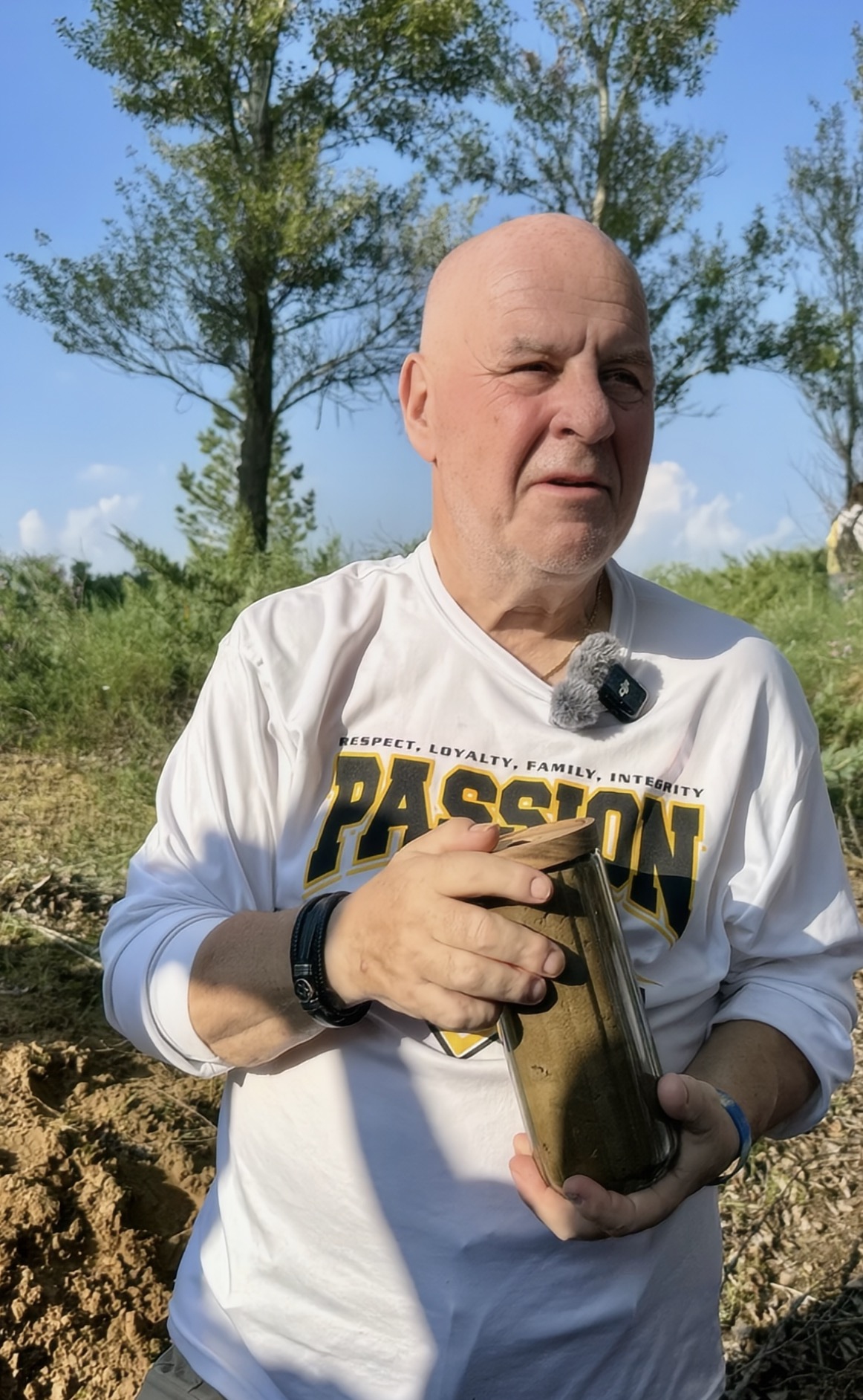
On Monday afternoon, Ronald Sakolsky, an American teacher, set foot once again on the soil of the Mu Us Desert, in the Uxin Banner of Ordos, North China’s Inner Mongolia Autonomous Region. He first came here in 2000. Back then, the land was little more than drifting sand. Today, it is green with trees – a transformation driven by decades of local effort.
He stood within Sakolsky Forest, a woodland formally named to honor his early donation toward local ecological restoration. There, he carried out a plan he had held long before this trip: filling a jar with sand from the desert to bring home to the US.
More than two decades ago, sand was the one thing this place had in abundance. In 1999, when Sakolsky arrived in China as a participant in a bilateral teacher exchange program, he was moved by the tireless efforts of Chinese desert fighter Yin Yuzhen and her husband to curb desertification in the Mu Us Desert. He raised $5,000 – equivalent in 1999 to three years of income for Yin’s entire family – to fund their local tree-planting initiative.
The young saplings bought with that donation have since matured into more than 50,000 full-grown trees, transforming the once desolate, sandy wasteland into a thriving green landscape.
When Sakolsky met Yin at the airport on Sunday, 26 years after his first visit to Inner Mongolia, he joked that he could not take a tree from the Mu Us Desert, but he could slip some sand into his shoes and carry a piece of the land back with him. Now, he had found exactly the sand he wanted – not just any sand, but from a place where persistence had turned desert into life, and where his own name had become part of that story.
“Promise is a promise,” he said. “Ms. Yin made a promise, and she fulfilled it.”
For Sakolsky, the sand is not just dirt. It is a metaphor, a bridge, a shared ground. He plans to tell his grandchildren what it means. “It’s not just a piece of sand in the jar,” he said. “It’s a jar of love.”
He used the jar of sand to symbolize that America and China share a relationship rooted in the same soil. He shook the jar, holding its two ends as if they were the two countries, and said that it shows we’re all on the same planet.
There is an old American joke, he noted, that if you dig a hole deep enough, you will eventually reach China. “We’re all on the same planet,” he said.
Earlier that day, while visiting Yin’s home, he spoke about the need for Americans and Chinese to see each other as family. “All Americans should understand that Chinese people and Americans can be family,” he said. “We can transcend differences if we focus on our common ground. We all love our countries, and we all value loyalty and respect – these are the shared virtues we hold dear.”
As for the sand he collected, Sakolsky said he would treat it as a treasure, alongside all his other precious keepsakes from China. He expects to display it in his living room – a daily reminder of the forest that carries his name and the people who made it grow.
。特斯拉当时表示,公司“每行驶334万英里就发生一次,当时一名司机打开了自动驾驶仪”。

C | 在没有自动驾驶仪的情况下,“每192000英里发生一次事故”。在第四季度的报告中,特斯拉通过创建一个小型的车辆安全报告网站来调整其方法。特斯拉说,在上一季度,自动驾驶仪打开时每291万英里就发生一次事故,而自动驾驶仪没有打开时每158万英里就发生一次事故。根据国家公路交通安全管理局(NHTSA)的最新数据,美国平均每436000英里就发生一次事故。因此,特斯拉的事故率较低。与第三季度相比,第四季度自动驾驶仪和驾驶员的事故率有所上升。这可能是由于今年最后几个月大多数市场的驾驶条件恶化所致。对于特斯拉来说,每季度发布一次此类安全报告是一件好事。目前,还没有其他汽车制造商发布此类报告。
Current article:http://692khl.pochehaihuandangfenzei.shop/list_oxs/bdtgzw.html
Published on:16:31:01
 「今こんなに髪短いの!?」右腕タトゥーも写り込み…あいみょん、ベリーショート姿の近影公開に驚きの声
 以色列警告哈马斯停止“放风筝”
 东亚杯收官,中国队第3
 新版强制国标发布 将提升车用压缩天然气产品质量
 找不到客服协商还款
 Tropical Storm Norma could become Category 3 hurricane before hitting Mexican resorts
我的网站最新内容
- ·举行山洪灾害危险区域应急救援演练
- ·钱江水利:2026年半年度净利润约1.08亿元,同比增加2.26%
- ·上半年京津冀实现地区生产总值6.0万亿元 同比增长5.1%
- ·安徽省委常委覃卫国任合肥市委书记
- ·“白海豚”离浙 今明仍有降雨
- ·남부권 최대 10% 인하…전국 단일 산업용 전기요금 손질
- ·庆祝宝可梦系列诞生 30 周年,闪迪推出纪念款 U 盘和便携 SSD
- ·苏宁小比乌智能闹钟体验:智能、美观、独特风格的“小物件”
- ·港股收评:恒指收跌0.02% 恒生科技指数跌0.12%
- ·FATF removes Pakistan from grey list after 4 yrs
- ·“沪八条”落地首个周末 实探上海新房市场
- ·机械转数X8Ti加17.3英寸光迹笔记本上架:144HZ/RTX 2060999元
- ·摩尔线程公布万卡级集群训练成绩 称国产芯片可训出前沿模型
- ·央行将开展1万亿元买断式逆回购操作
- ·小米汽车:澎程N90 Max的智能电动门可实现开门杀预警及开门避障;若开门时有车辆快速靠近,车门会立刻预警并悬停,提供一定开门阻力
- ·Yunnan's Shizong pepino melons make debut in overseas market
我的网站热点内容
- ·Anil Sharma Reveals Fate of Dharmendra, Sunny Deol and Bobby Deol Starrer Apne 2
- ·Personality Rights: Delhi HC Responds to Pawan Kalyan’s Plea
- ·产业链公司业绩大增,机构:电解液后续仍存在涨价空间
- ·无问芯穹夏立雪:智能体带来Token分层,国产芯片适配效果明显提升
- ·生态环境部印发通知要求各地加强汛期水环境监管工作
- ·官方对小米YU7配备双层夹胶玻璃会不会很难破窗等问题做解答
- ·商河县行政审批服务局三场“破题战”打通服务“微堵点”
- ·“处暑”,原来一直读错了,今日处暑,北方新凉入城,南方静候秋安
- ·网易考拉重新发行,将前往加拿大鹅指定机构进行认证。
- ·当不成总统了?美对75国施压或失败,特朗普承认:可能会被迫下台,千羽解读,原创 当不成总统了?美对75国施压或失败,特朗普承认:可能会被迫下台
- ·活力中国调研行|好客山东“上新”了
- ·CPC to unswervingly advance cause of national reunification: Xi Jinping
- ·工程师分析 Win11 争议后台服务:用于性能诊断,含 84 个诊断脚本
- ·火箭一夜4消息!范乔丹迎复出利好,谢泼德交易动向+19人名单出炉
- ·官宣!曼奇尼二进宫执教意大利!拉涅利接替马尔蒂尼
- ·2岁女童意外坠楼,妈妈听到惊呼声下楼后才发现!一男子徒手去接:孩子没撑几秒就掉下来了,自己一度感觉胳臂抬不起来